


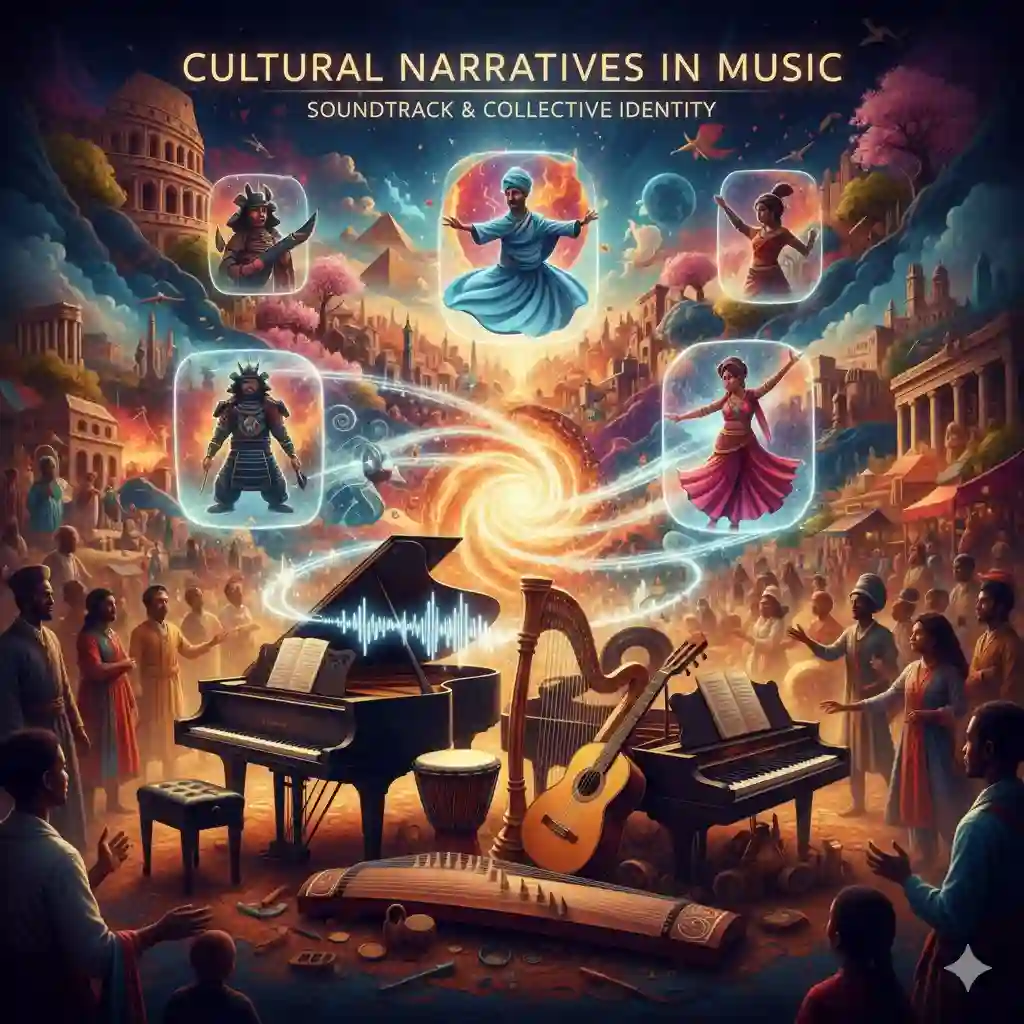
In the tapestry of human expression, cultural narratives in music serve as powerful threads weaving individual stories into collective identities. From evocative lyrics in folk anthems to immersive soundtracks in films, these elements not only reflect traditions and values but also unite communities, evoking deep emotions and strengthening bonds across generations.
Cultural Narratives: Music and Culture
Cultural stories are narratives or stories, values, beliefs and traditions that identify a group of people. They are manifested with the help of different art forms, music being one of them, which reflects collective identity and is its creator. These narratives can be expressed in music in a number of main elements:
Lyrics: Song lyrics usually give narratives that appeal to a certain cultural experience. An example is folk songs documenting past happenings and social causes whereas the present day pop music can present what is happening in society. The strength of lyrics is the evocative effect of emotions and building bridges between listeners, who are likely to have similar experiences.
Genres of music: The various types of music usually emerge from different cultures and different cultural environments have different sounds, beats, and traditions which they represent. As an illustration, blues music represents the African American experience whereas indigenous music is traditional and represents the history and the values of the native people. Both genres have their own storyline, which adds to the general cultural environment.
Cultural Symbols: Music may accommodate symbols and motifs which are especially important to a culture, which strengthen identity and collective memory. Indicatively, traditional instruments or even a certain musical scale can be used to create a feeling of belonging and pride in a society.
The Impact of Soundtrack on Building a Group Identity
Soundtracks play a crucial role in the construction of collective identity through the incorporation of cultural accounts into the overall pattern of shared experiences. These are some of the main contributions that soundtracks make to this process:
1. Enhancing Storytelling
Film and television soundtracks are necessary to add to the story-telling experience. They create emotions, establish the mood, and assist in immersion of the audience into the narrative. For example:
Cinematic Soundtracks: Movies such as Coco employ soundtracks to glorify history and culture, identifying with the viewers the culture, traditions and values of Mexican culture as well as narrating a heartfelt tale of family and memories. Traditional Mexican music is also used not only to provide a deeper emotional push to the movie but also to inform more people about the cultural importance of such traditions.
Documentaries: Documentaries usually feature soundtracks that emphasize the cultural meaning of what is being discussed, which supports the messages and themes that are delivered through visual narration. To give an example, a documentary on indigenous cultures can incorporate the use of traditional music to depict how indigenous cultures are rich and should preserve the narratives of the cultures.
2. Developing Shared Experiences
This is one thing that music can do: unite people. Soundtracks that are relatable to a community may give rise to communal experiences that lead to a stronger identity. For instance:
Anthems of Social Movements: Song of Social Movements, e.g., We Shall Overcome in the Civil Rights Movement, are highly effective rallying cries that bring people together around a shared goal and cause. These are the songs that not only express the hopes of a group of people but also form a feeling of unity among the people championing the cause of justice.
Cultural Festivals: Music at cultural events and celebrations is music that builds a feeling of belonging and pride, strengthening community associations and common culture. Indicatively, the music that is played at Diwali celebrations in India does not only bring a festival mood, but also links participants to their cultural background.
3. Reflecting and Shaping Identity
Cultural identities are usually mirrored in soundtracks and at the same time they are formed. They are a channel where cultural stories are told and may shape the way people view themselves and their societies:
Identity Formation: Music can take an important role in the identification of the individuals with their culture. Indicatively, hip-hop culture has been used to define young people and manage their lives within a complex social environment. Artists in the hip-hop genre tend to use their own experiences as well as their cultural background and enable their audience to relate with their stories at a more personal level.
Cultural Evolution: Soundtracks can also be a combination of the traditional and modern aspects, as the nature of cultural identities is dynamic and changes over time. As an example, those artists who are currently able to incorporate traditional music into their work, develop hybrid genres that are still representative of their traditions and the trends emerging now, which adds deeper layers to the cultural narrative.
4. Bringing about Cultural Exchange
Soundtracks can serve as a way of cultural exchange as a world that is becoming more globalized, and different stories come together to have an impact on each other. This exchange may result into the birth of hybrid forms of music:
Fusion Genres: A mixture of musical styles of various cultures may give rise to new genres that enjoy diversity. Reggaeton is an example; it is a mixture of hip-hop and Latin rhythms and therefore has a variety of cultural impact. This genre has become popular worldwide and this is an indication that cultural exchange can be powerful in the current music.
Global Movements: Soundtracks related to global movements, e.g., world music festivals, facilitate cultural interchange and perception, which fosters cooperation in artists of different backgrounds. Most of these occasions come with a mix of musical genres and this gives the people an opportunity to enjoy and feel the depth of various cultures.
5. Effects of Technology on Cultural Discourses
Technological progress has also had a great role in influencing the production and consumption of music, thus, creating cultural narratives. It is due to the emergence of streaming services, social media, digital platforms, that the way artists connect with their audience has changed:
Access and Exposure: Digital provides artists with varied backgrounds to distribute their music to the global audience, enhancing access to various cultural accounts. This exposure may result in more appreciation and knowledge of different musical traditions.
Cooperation in Creation: Technology allows artists to cooperate in spite of the geographical barriers, and it leads to the production of music with the elements of various cultures. As an example, international cooperation between artists on the Internet can result in some new soundtracks expressing a blend of the narratives of different cultures.
Social Media Movements: Social networks, such as Tik Tok and Instagram, have turned out to be important in the marketing of music and cultural stories. Viral trends have the potential to boast smaller artists and genres and enable various voices to be heard and heard.
Conclusion
The issue of cultural scripts in music and the impact of soundtracks in the formation of collective identity are closely interrelated. Soundtracks are efficient instruments of narration, establishing a common experience, and capturing the virtues of societies. Through the way music is perceived to influence cultural stories, we also learn the way in which collective identity is created and conveyed. With an ever growing global village, music plays a major role in defining our cultural environments, instilling compassion, insight as well as appreciation of diversity.
FAQs
Q: What is the effect of soundtracks on cultural stories?
A: Soundtracks contribute to telling stories in the movie and media industry through their ability to emotionate and support the themes, which shape cultures and group identity.
Q: What is the importance of protest songs in culture identification?
A: Protest songs are anthems of social movements, which have the role of expressing the struggle and desire of a community, as well as creating a feeling of unity and identity among people.
Q: What does soundtrack do to help culture exchange?
A: Soundtracks may be mixed in different genres, and the hybrid genres may emerge as a result, encouraging the process of understanding and cooperation between different communities.